
For decades, RAS mutations were regarded as one of the most challenging targets in oncology, widely labeled as “undruggable.” That perception changed dramatically when Daraxonrasib demonstrated nearly a doubling of overall survival in the Phase III RASolute 302 trial. Yet the most difficult challenges are no longer confined to molecular design. Instead, the key questions have shifted to translational biology:
Which patients with RAS mutations are truly functionally responsive?
Is the therapeutic window sufficiently broad across heterogeneous patient populations?
How and when will resistance emerge during long-term treatment?
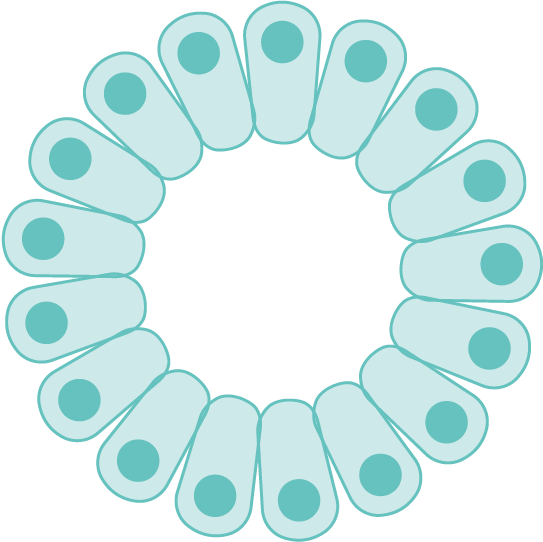
Patient-derived organoids (PDOs) are increasingly proving indispensable for addressing these questions before compounds enter costly clinical development.
Key takeaway: Genomic profiling identifies candidate patients, but it does not guarantee therapeutic benefit. The clinical value of RAS-targeted therapies ultimately depends on functional validation of drug sensitivity, therapeutic window, combination strategies, and resistance mechanisms using physiologically relevant human models.
At the 2026 ASCO Annual Meeting, presentation of the RASolute 302 results received a standing ovation from thousands of oncologists. In this Phase III study involving approximately 500 patients with previously treated metastatic pancreatic ductal adenocarcinoma (PDAC), the oral multi-selective RAS(ON) inhibitor Daraxonrasib (RMC-6236) extended median overall survival from 6.7 months to 13.2 months, nearly doubling survival compared with chemotherapy. Progression-free survival improved from 3.5 to 7.3 months, objective response rate increased from 11.8% to 33.2%, and the risk of death was reduced by approximately 60%.
The excitement surrounding these findings is understandable. More than 90% of pancreatic cancers are driven by KRAS mutations, yet KRAS had long been considered an undruggable target. Earlier KRAS inhibitors were limited to the relatively rare G12C mutation and targeted only the inactive (“OFF”) conformation of the protein. Daraxonrasib represents a new generation of RAS(ON) inhibitors, binding the active GTP-bound state through a molecular glue mechanism and covering multiple KRAS, NRAS, and HRAS mutations—including G12, G13, and Q61 variants—potentially addressing up to 90% of pancreatic tumors.
This breakthrough marks a fundamental transition: RAS-targeted drug discovery has evolved from mutation-specific therapies for niche populations toward broad-spectrum inhibitors with potential applications across multiple cancer types. Consequently, competitive advantage is shifting from molecular engineering toward translational evaluation.
Emerging evidence suggests that the presence of a RAS mutation alone is insufficient to predict therapeutic response.
A study published in the Journal of Biological Chemistry used patient-derived colorectal cancer organoids to stratify responses to KRAS inhibitors and found that not all tumors harboring RAS mutations remained dependent on RAS signaling for proliferation. Similar observations have been reported for MTAP deletion, indicating that molecular alterations serve primarily as entry points for patient stratification rather than guarantees of drug efficacy.
Clinical data published in Cell Reports reinforce this conclusion. In a collaborative screen of 414 anticancer compounds using colorectal cancer PDOs, investigators observed striking differences in sensitivity among organoids carrying identical KRAS mutations. Even tumors sharing the same KRAS G12D genotype differed substantially in their dependence on the PRMT5/MAT2A pathway, activation of cholesterol biosynthesis, and adaptive capacity under pharmacological pressure.
Such heterogeneity is often obscured in conventional cell lines or single xenograft models, leading to apparently robust preclinical efficacy but disappointing clinical response rates.
Additional work from Weill Cornell Medicine screened more than 6,000 compounds using isogenic pancreatic cancer organoids and identified Perhexiline maleate as a selective inhibitor of KRAS-mutant organoid growth through suppression of SREBP2-mediated cholesterol biosynthesis. Single-cell RNA sequencing further revealed that cholesterol synthesis pathways were specifically upregulated in KRAS-mutant organoids.
These findings suggest that KRAS dependency is neither universal nor static. Tissue context, metabolic rewiring, and pathway utilization can vary substantially among tumors, emphasizing the need for functional rather than purely genomic assessment.
Although Daraxonrasib demonstrated a manageable safety profile in RASolute 302—with grade ≥3 adverse events occurring in 44% of treated patients versus 58% in the chemotherapy arm and treatment discontinuation due to adverse events of only 1.2% versus 11.2%—its safety profile should not be considered inherently guaranteed.
RAS proteins regulate fundamental cellular processes including proliferation and differentiation. Broad inhibition of active RAS signaling therefore raises important questions regarding selectivity between malignant and healthy tissues.
Preclinical studies from the Olive Laboratory at Columbia University showed that Daraxonrasib selectively targeted pancreatic tumor cells while largely sparing normal tissues in advanced pancreatic cancer models. However, “largely sparing” normal tissue still requires careful validation across dosing regimens, exposure levels, disease contexts, and biological models.
This is precisely where patient-derived organoids offer unique advantages. Unlike conventional cell lines or immunodeficient mouse xenografts, PDOs preserve patient-specific architecture and biological characteristics while enabling scalable pharmacological assessment. They provide an effective platform for quantifying therapeutic windows across tumor types and molecular backgrounds before clinical testing.
For example, studies comparing wild-type pancreatic organoids with Kras^G12D organoids demonstrated that equivalent drug concentrations selectively induced death in mutant organoids while preserving normal growth in wild-type tissues—a level of parallel evaluation difficult to achieve in traditional systems.
Despite the encouraging efficacy of Daraxonrasib, emerging evidence indicates that adaptive resistance remains a major obstacle to maximizing long-term benefit.
Studies evaluating the selective KRAS G12D inhibitor MRTX1133 in colorectal cancer PDO biobanks found substantial variability even among models carrying identical driver mutations. Integrated multi-omics analyses, including single-cell RNA sequencing, enabled identification of biomarkers associated with response and informed rational combination strategies.
These observations indicate that resistance reflects not only drug-induced adaptation but also intrinsic differences in molecular context, co-mutation patterns, and tissue-specific signaling networks.
High-content phenotypic screening of metastatic colorectal cancer organoids has similarly shown that while KRAS mutation status strongly influences therapeutic response, KRAS wild-type organoids tend to undergo cytotoxic collapse, whereas KRAS-mutant organoids frequently exhibit cytostatic growth arrest, suggesting fundamentally different adaptive trajectories and potentially distinct combination strategies.
Importantly, resistance studies should extend beyond short-term drug sensitivity assays. Longitudinal organoid experiments allow investigators to monitor adaptive splicing, metabolic reprogramming, and bypass signaling over extended treatment periods.
In one study, KPSC organoids exposed to 4 μM Perhexiline maleate for 48 hours and subsequently cultured in drug-free medium failed to recover, with no resistant clones emerging. Such washout-and-follow-up designs provide valuable insight into clonal evolution that is difficult to reproduce in conventional cell culture systems.
The significance of Daraxonrasib extends far beyond its clinical success in pancreatic cancer. It also highlights a broader shift in RAS-targeted drug development toward increasingly sophisticated translational evaluation.
Future success may depend on which developers can:
1. Identify functionally responsive patient populations across diverse RAS mutations and co-mutational backgrounds.
2. Quantify therapeutic windows in patient-derived human models before entering clinical trials.
3. Systematically characterize resistance mechanisms under prolonged treatment and integrate these findings into biomarker development and combination strategies.
The development pathway of Daraxonrasib itself illustrates the importance of robust preclinical modeling. Rather than focusing solely on designing potent inhibitors, the field is increasingly emphasizing informed decision-making in models that better reflect the biological complexity of human disease.
For pan-RAS inhibitors in particular, PDO platforms offer value beyond simply demonstrating efficacy. They enable systematic assessment of drug sensitivity, therapeutic window, rational combinations, and resistance mechanisms across diverse tumor types—including pancreatic, colorectal, and lung cancers—before expensive clinical studies commence.
The success of Daraxonrasib underscores a broader lesson for precision oncology: discovering a mutation is only the beginning. The critical question is whether that alteration represents a stable, therapeutically exploitable dependency within the biological complexity of real patient tumors.
The first generation of KRAS-targeted therapies taught the field that molecular stratification alone is insufficient. Only when vulnerabilities can be repeatedly validated in patient-derived models and selectively exploited by therapeutic interventions do they become clinically meaningful targets.
For the rapidly evolving landscape of RAS(ON) inhibitors, organoid platforms are not intended to replace all preclinical systems. Rather, they preserve essential features of human tumor heterogeneity at the most critical stage of translational research, enabling more informed decisions regarding sensitivity, safety, combination therapy, and resistance—and ultimately improving the likelihood of clinical success.

 français
  Deutsch
  Español
  italiano
  русский
  português
  العربية
  Nederland