
Over the past years, regulatory science has entered a period of unprecedented transformation. A succession of major initiatives announced in the United States and Europe has revealed a common objective: building a faster, more predictive, and increasingly human-centered drug development ecosystem. Rather than representing isolated policy changes, these initiatives collectively point toward a new vision of biomedical innovation in which advanced biological models, computational science, artificial intelligence (AI), and modern clinical trial methodologies work together to generate higher-quality evidence and accelerate patient access to new therapies.
One of the latest milestones in this evolution are the U.S. Department of Health and Human Services (HHS) initiative to restore American leadership in clinical trials and the U.S. Food and Drug Administration's (FDA) actions to accelerate and modernize early- and late-stage clinical development. Together, these announcements extend regulatory modernization beyond preclinical research and into the entire therapeutic development continuum.

Figure 1. The Modern Drug Development Ecosystem
An integrated framework illustrating how human-derived biological models, artificial intelligence, computational sciences, innovative clinical trial methodologies, real-world evidence, and quality infrastructure collectively contribute to integrated evidence generation, model-informed regulatory decision-making, accelerated drug development, and improved patient outcomes.
Traditionally, efforts to improve drug development have focused on reducing timelines while maintaining safety and regulatory rigor. The new HHS initiative adopts a broader perspective by addressing inefficiencies across the entire clinical research ecosystem.
The initiative promotes streamlined regulatory processes, innovative clinical trial designs, improved participant recruitment, expanded use of electronic health records, greater integration of real-world evidence, and increased application of digital technologies and AI. Rather than simply making clinical trials faster, these reforms aim to make them smarter, more efficient, and better aligned with modern biomedical science.
Complementing this strategy, the FDA has announced additional measures to modernize both early- and late-stage clinical development. Particularly noteworthy is the agency's continued support for New Approach Methodologies (NAMs), Quantitative Systems Pharmacology (QSP), computational toxicology, and model-informed drug development. Together, these tools are increasingly being incorporated into regulatory decision-making to improve dose selection, safety assessment, and clinical trial design.
Table 1. Evolution of Clinical Development

Perhaps the most significant aspect of these recent initiatives is that they move the discussion beyond the traditional concept of replacing animal models.
Increasingly, regulatory agencies are promoting an integrated evidence ecosystem in which multiple complementary technologies contribute to more predictive and clinically relevant decision-making. Human-derived biological systems, organoids, organ-on-chip technologies, computational modeling, AI, quantitative pharmacology, and real-world clinical data are no longer viewed as isolated innovations but as interconnected components of a modern regulatory framework.
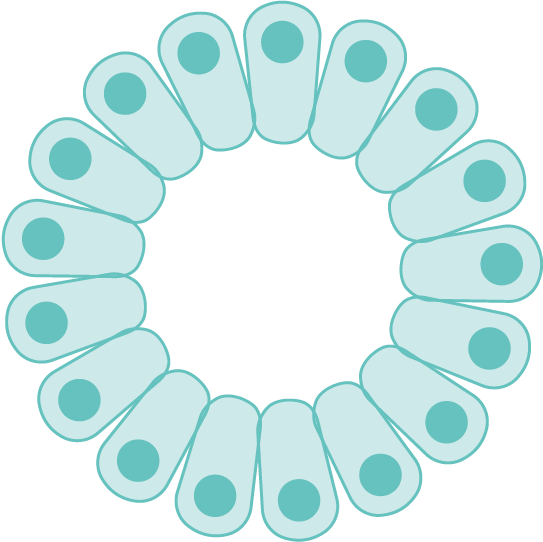
Within this ecosystem, organoid technologies occupy an increasingly important position. Their ability to reproduce key aspects of human biology makes them valuable tools for disease modeling, toxicity assessment, drug discovery, and precision medicine. When combined with computational modeling and AI, organoids have the potential to generate evidence that is both scientifically robust and clinically relevant.
However, scientific innovation alone is not sufficient. As regulatory agencies place greater emphasis on advanced human-relevant methodologies, confidence in the quality of the biological systems generating these data becomes increasingly important.
The modernization of clinical development requires more than new technologies—it requires confidence in the evidence those technologies produce.
Reproducibility, traceability, standardized methodologies, and transparent quality management are becoming essential elements of future regulatory science. As development pathways become increasingly flexible and data sources more diverse, internationally harmonized quality frameworks will play a central role in ensuring that emerging technologies can be implemented consistently and with regulatory confidence.
Recognizing these needs, the International Society of Organoid Research (ISoOR) launched the ISoOR International Standard for Organoid Biobanking (ISoOR-ISOB) in 2025. Developed by an international panel of experts, the standard establishes harmonized requirements for the governance, characterization, quality management, traceability, storage, and distribution of organoid-derived biological resources. Complementing this effort, ISoOR Accreditation Board (ISoOR-AB) provides independent conformity assessment and accreditation activities that contribute to strengthening confidence in organoid biobanks and supporting internationally recognized quality principles.
The recent HHS and FDA announcements signal considerably more than incremental regulatory updates. They reflect a broader transformation in how biomedical evidence is generated, integrated, and translated into clinical practice.
The future of drug development will increasingly rely on the convergence of human biology, computational science, AI, innovative clinical trial methodologies, and robust quality systems. Rather than following a linear development pathway, tomorrow's regulatory ecosystem will be built upon integrated evidence capable of improving prediction, increasing efficiency, and ultimately delivering safer and more effective therapies to patients.
For the biomedical community, this transformation presents both an opportunity and a responsibility. Continued innovation must be accompanied by internationally harmonized standards, quality frameworks, and collaborative scientific efforts capable of ensuring that advanced human-relevant technologies achieve their full potential. Recent initiatives from HHS and FDA suggest that this future is no longer an aspiration—it is rapidly becoming the new foundation of modern clinical development.

 français
  Deutsch
  Español
  italiano
  русский
  português
  العربية
  Nederland